54B, Tailstoi Town 5238 MT,
La city, IA 522364
Welcome to Cloverdale Chiropractic Clinic!
-
Call for help: (416) 622-2121
-

Chirokind & Rehabilitation Clinic focuses on maintaining health for people of all ages, helping patients pain and prevent disease.
Welcome to Cloverdale Chiropractic Clinic!
Call for help: (416) 622-2121
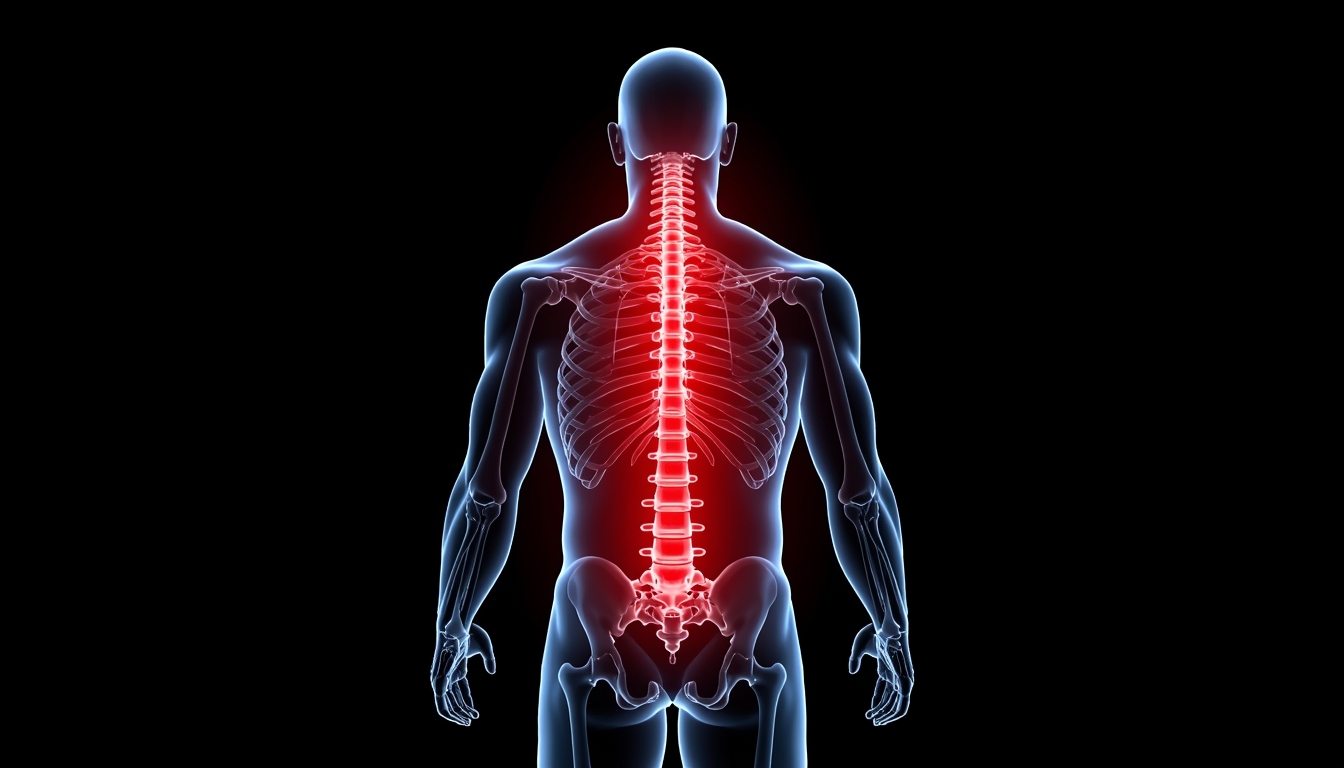
And What You Can Do to Fix It
You might not think about your posture very often—but your body does.
From the way you sit at your desk to how you look at your phone, your posture is constantly shaping how your muscles, joints, and spine function. Over time, poor posture doesn’t just cause discomfort—it can lead to chronic, persistent pain that doesn’t go away on its own.
If you’ve been dealing with ongoing neck, back, or shoulder pain, your posture may be the hidden cause.
Today’s lifestyle is one of the biggest contributors to chronic pain.
Think about how much time you spend:
These positions place your body in unnatural alignment for hours at a time.
Over time, this leads to:
Your body adapts to these positions—and not in a good way.
Your body is designed to work in alignment. When that alignment shifts, certain muscles and joints are forced to work harder than they should.
Here’s what happens:
Some muscles become tight and overworked, while others weaken. This imbalance creates tension and discomfort that builds over time.
Slouching or leaning forward increases stress on your spine—especially in your neck and lower back.
Poor posture can restrict blood flow, slowing down recovery and increasing stiffness.
Misalignment can place pressure on nerves, leading to pain that may radiate into your shoulders, arms, or legs.
This is why posture-related pain often feels constant—it’s being reinforced every day.
You don’t need a medical diagnosis to spot posture-related issues. Common signs include:
If your pain worsens after sitting or improves when you move, posture is likely playing a major role.
Left uncorrected, poor posture can lead to more than just discomfort.
It can contribute to:
What starts as mild tension can gradually become a long-term issue.
The good news? Posture can be improved—and even small changes can make a big difference.
Start noticing how you sit, stand, and move throughout the day.
Avoid staying in one position for too long. Stand up, stretch, and reset your posture regularly.
Focus on:
While improving habits is important, posture-related pain often involves deeper issues like joint restriction, muscle imbalance, or spinal misalignment.
That’s where professional care can help.
Chiropractic care focuses on:
When combined with better posture habits, it creates lasting results—not just temporary relief.
Posture might seem like a small thing—but it has a huge impact on how your body feels every day.
If you’ve been living with ongoing pain, improving your posture could be the missing piece.
The sooner you address it, the easier it is to reverse—and the better your body will feel.
If chronic pain is affecting your daily life, don’t ignore it.
A proper assessment can help identify whether posture is the root cause—and what steps you can take to fix it.
Book a consultation today and start moving toward a pain-free, more comfortable life.
Leave A Comment